Data literacy is not a technical skill reserved for analysts. It is a human capability that turns dashboards into decisions: the habit of asking better questions, questioning the numbers, separating signal from noise, and communicating what the evidence actually supports. This is the foundation everything else is built on.
Ask most people what data literacy means and you will hear something about charts, spreadsheets, or statistics. Those are real skills. They are also the shallow end of a much deeper capability, and the shallow end is not where the value lives.
Real data literacy is a set of cognitive habits that sit underneath the chart. Knowing whether the question behind the data was framed well. Noticing what the dataset leaves out. Telling the difference between a genuine signal and normal fluctuation. Recognizing when a confident-sounding number is resting on shaky assumptions. Translating a finding into a decision someone can actually act on.
None of those are technical skills. They are ways of thinking. And the people who have them make better decisions even when their tool skills are no stronger than their colleagues'.
For organizations, this reframing changes everything. The instinct is to treat data literacy as a training problem: buy a course, run everyone through it, check the box. But literacy that sticks is a cultural capability, not a completed course. It lives in the small moments. The analyst who pauses to ask whether the sample is representative. The manager who reads past the green arrow on the dashboard. The leader who makes "where is your evidence?" a normal and welcome question in a meeting.
This theme is the foundation of my work. It runs underneath the judgment work, the AI work, the decision architecture work. Everything starts here, because you cannot think well about anything else if you cannot think clearly with evidence first.
Building data literacy in an organization is not one project. It rests on four pillars, and a weakness in any one undermines the others. The model, developed in Data Literacy in Practice, gives leaders a way to diagnose where they are strong, where they are exposed, and where to invest next.
The shared capability of people across the business to read, interpret, question, and communicate with data. Not just the analysts. Everyone who touches a decision.
The practical environment that makes data trustworthy and usable. Quality, access, governance, and the pragmatic infrastructure that lets people find and rely on the right data.
How the organization actually turns data into insight and decisions. The methods, the measurement, the dashboards, and the discipline of aligning all of it to real goals.
The ongoing development of capability over time. Not a one-time training event, but a sustained practice that builds the habits and keeps them alive as the organization changes.
A short introduction to the capability and why it matters more than the tools, in case you would rather listen than read.
A short introduction to what real data literacy requires will live here.
Data literacy is not the ability to read a chart. It is the cognitive habit of distinguishing signal from noise, evidence from anecdote, and confidence from certainty.
Data literacy is not merely data science or predictive analytics. It involves understanding, questioning, and using data well, a definition that includes far more people than most organizations assume.
Organizations spend millions on analytics platforms but decisions keep getting worse. The problem is not the data. It is the thinking infrastructure around it.
A three-layer framework for questioning any data claim before you act on it, turning scattered skepticism into a repeatable discipline.
A framework for building data fluency by integrating the cognitive and behavioral dimensions of how people actually work with data, not just the technical ones.
A working checklist for the eight stages of turning data into a decision. Ensures every call is backed by solid data, critical analysis, and the right question.
How to spot the common flaws in business questions that quietly undermine insight quality, and how to ask sharper ones that lead somewhere useful.
Essential practices for turning data into insight, visuals into narratives, and presentations into decisions people actually act on. The last mile of data literacy.
A diagnostic that reveals your dominant data thinking styles, strengths, and blind spots across the cognitive and decision dimensions that shape how you work with evidence.
A practical tool for choosing the most effective chart or graph for your data and your question, so your visualizations communicate rather than confuse.
A recorded webinar walking through the fundamentals of data literacy and the essential skills needed to navigate a data-informed environment effectively.
Develop the ability to question assumptions and use data critically to generate insights. Where data literacy meets the harder work of thinking well.
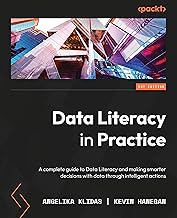
The complete, applied treatment of this theme. Co-authored with Angelika Klidas and published by Packt, the book builds data literacy from the ground up around the Four-Pillar Model, with practical templates, real-world examples, and a full appendix of working tools.
Kevin delivers this material as a keynote, an executive workshop, and a sustained capability-building program. If raising the level at which your people think with evidence is on your agenda, let's talk about what a program would look like.
Get in touch